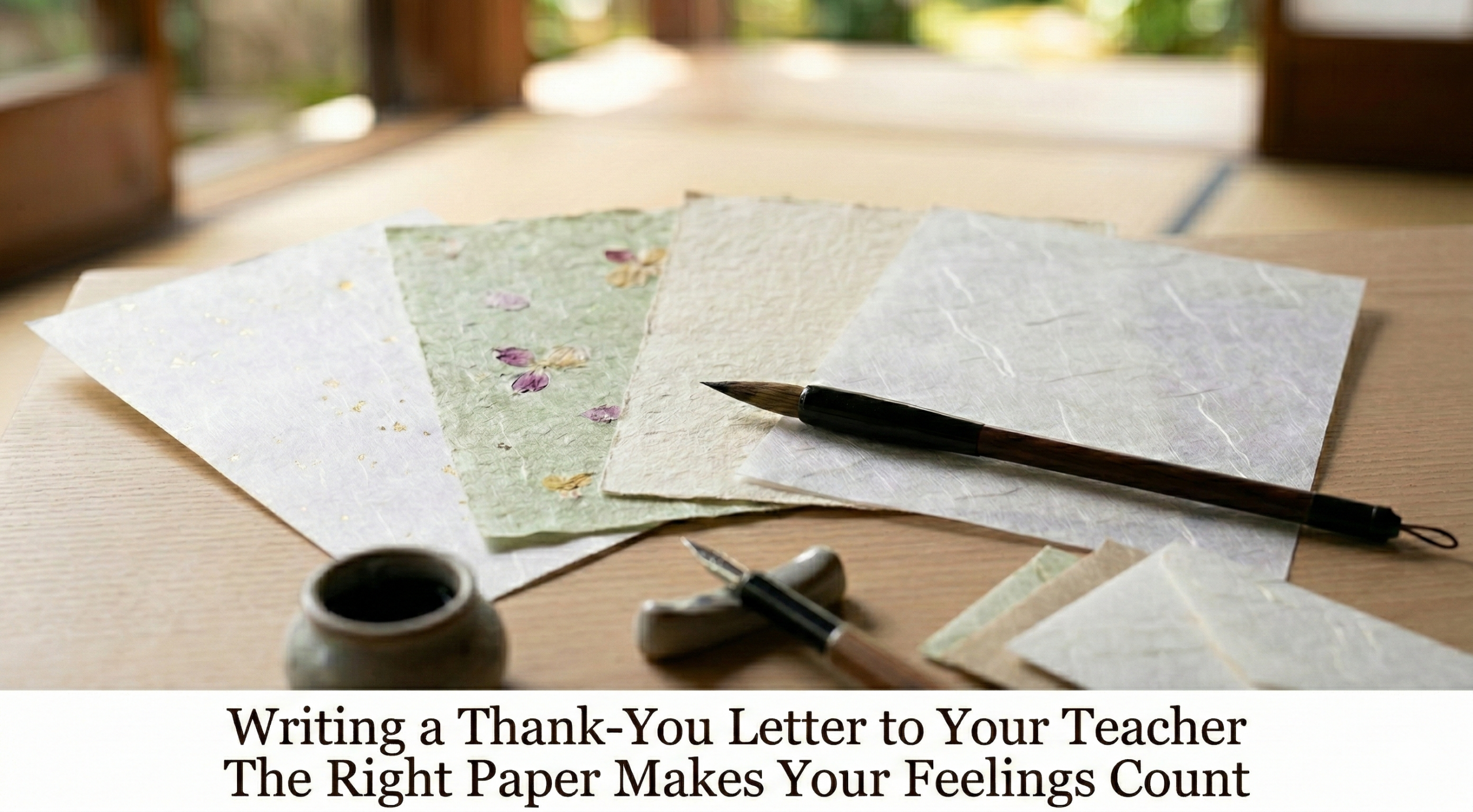
When you sit down to write a thank-you letter to your teacher, the very first thing you might find yourself wondering is: “What kind of writing paper should I choose?”
Perhaps it’s some time after graduation, or maybe you’re finishing up a class or lesson — you want to express your gratitude to a teacher who meant so much to you. Yet somehow, you find yourself standing in front of the stationery display, unsure. Have you ever ended up grabbing whatever letter set was nearby, still not quite certain it was the right choice?
The truth is, your choice of writing paper can make a significant difference in the impression your letter leaves. No matter how carefully worded your message is, if the paper doesn’t match the occasion, your heartfelt feelings may not come through as fully as you intended.
In this article, we break down how to choose the right writing paper for a teacher thank-you letter — organized by occasion, type of teacher, and material. By the time you finish reading, you’ll know exactly what to pick.
Why Using “Ordinary” Writing Paper for a Teacher Thank-You Letter Can Come Across as Rude
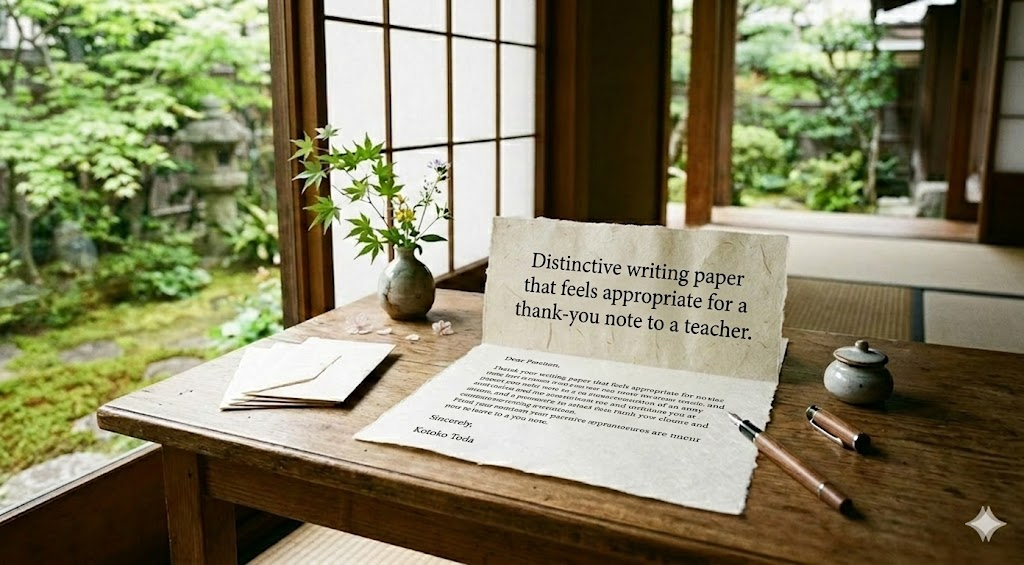
If you think “any paper will do,” you risk leaving an unfortunate impression at an important moment. A thank-you letter is a physical expression of your gratitude — and that means the paper you write it on carries meaning too.
A Thank-You Letter Is a Formal Piece of Correspondence
Unlike everyday communication, a thank-you letter to a teacher is a formal written document. Whether it’s a homeroom teacher, an instructor for an extracurricular activity, or a supervising teacher during a teaching practicum — all of these are situations that call for showing proper respect to someone of higher standing.
Using notepad-style lined paper or paper printed with cartoon characters sends a subtle message: “This person doesn’t understand proper etiquette.” No matter how politely the words are written, the look and feel of the paper can undermine the entire message.
Your Feelings Are Carried by the Paper Itself
When writing a letter to someone, the paper you choose reflects how much thought you put into the recipient. A cheap, copy-paper-like sheet and a sheet of fine washi paper with a warm, handcrafted texture create completely different experiences for the reader — even with the exact same words.
Teachers receive many letters every year. The ones that stay with them — “that student’s letter was something special” — are almost always the ones where both the words and the paper came together as one.
Plain, Undecorated Paper Can Feel “Unfinished”
Plain lined paper with no decoration is perfectly appropriate for business correspondence, but for a thank-you letter intended to convey warmth and gratitude, it can feel a little cold. On the other hand, overly busy patterns are out of place too. For a teacher thank-you letter, a calm, dignified design is considered most appropriate.
Know the Basics of Choosing Writing Paper — and You’ll Never Be Stuck Again
Choosing writing paper may seem complicated, but once you know the criteria, it becomes simple. Here we focus specifically on the situation of writing a teacher thank-you letter and outline the key factors to consider.
Choosing by Material: Western Paper, Washi, or Recycled Paper
Writing paper broadly falls into three material categories. Knowing the characteristics of each makes it easier to choose.
- Western paper (fine paper): Smooth to write on and reasonably priced, but can feel a little lightweight in impression
- Washi (Japanese paper): Has a distinctive softness and warmth that conveys care and sincerity; handwritten characters look beautiful on it
- Recycled paper: Gives an eco-conscious impression, but can be rough in texture and may not be suitable for a thank-you letter
For a teacher thank-you letter, fine paper or washi with a quality texture is recommended. Washi in particular carries both the dignity of a tradition that values Japanese culture and a natural warmth — qualities that effortlessly elevate the formality of any letter to a respected elder.
Choosing by Design: Pattern, Color, and Size
There are a few basic guidelines for choosing a design appropriate for a thank-you letter.
- Pattern: Choose something understated — seasonal flowers, traditional Japanese motifs, or subtle stripes. Avoid characters or bold geometric prints.
- Color: White or off-white (cream) is the standard. Pale blue or soft pink are also acceptable. Fluorescent colors or dark, saturated shades are not suitable.
- Size: B5 (182×257mm) or A5 (148×210mm) are the most common. Choosing paper designed for vertical writing adds a sense of formality.
Choosing by Number of Sheets and Line Style: Match the Length of Your Message
A typical thank-you letter runs around 400–800 characters in Japanese, which usually fits on one to two sheets. If you find yourself needing three or more sheets, the content is likely becoming too long — consider tightening your message.
Both horizontally and vertically lined paper work, but for a teacher thank-you letter, choosing vertically lined paper creates a more formal impression. Vertical writing suits the natural rhythm of Japanese text and gives the letter an air of respectful formality.
How to Choose the Best Writing Paper by Type of Teacher
“Teacher” covers a wide range of people — homeroom teachers, extracurricular instructors, cram school tutors, supervising teachers during a teaching practicum, and more. Each relationship and situation is different. Choosing paper that fits the specific occasion allows your sincerity to come through more clearly.
For School Teachers (Homeroom, Subject, Club Advisor)
Thank-you letters to school teachers are most often written around graduation or the transition to a new school. In these cases, the letter is especially expected to carry the weight of formal correspondence.
- Material: Washi or fine paper
- Design: White or off-white base with a subtle Japanese or floral pattern
- Writing style: Vertical writing recommended
Because this is a moment for expressing heartfelt gratitude directly, you want your paper to say, “I chose this specifically to write this letter” — and that sincerity will come through.
For Extracurricular Instructors (Piano, Calligraphy, Tea Ceremony, Sports, etc.)
When wrapping up years of lessons, or expressing year-end gratitude, a letter to an extracurricular instructor calls for careful thought as well.
- Material: Washi (especially appreciated by teachers of calligraphy, tea ceremony, and traditional Japanese instruments)
- Design: A calm, seasonally evocative pattern
- Writing style: Vertical writing is standard; horizontal is acceptable for Western-style activities
Relationships with extracurricular teachers tend to be longer and more personal than those with school teachers — which means it’s okay to add a touch of individuality to your paper choice. Selecting something that reflects the teacher’s personality or aesthetic can send the message: “This student really paid attention.”
For Cram School and Prep School Teachers
These letters are most often written after exams or at the end of enrollment. The relationship may feel slightly more casual than with a school teacher, but the basic etiquette remains the same.
- Material: Fine paper or washi
- Design: Something simple with a clean, tidy feel
- Writing style: Either vertical or horizontal is acceptable
For Supervising Teachers During a Teaching Practicum
A thank-you letter to a teacher who supervised your teaching practicum is one of the occasions that calls for the highest level of care and formality. This person gave their time and attention — often in the middle of a busy schedule — to guide you through a critical experience. Your choice of paper should honor that.
- Material: Washi is the most appropriate choice
- Design: White or lightly tinted, with minimal decoration and a refined look
- Writing style: Vertical writing is essential. Pay close attention to punctuation, opening salutation, and closing salutation.
If the school where you completed your practicum is connected to Japanese traditional culture or Japanese language education, choosing washi paper may be especially well received.
3 Reasons Washi Writing Paper Is Chosen for Teacher Thank-You Letters
Among all the options available, more and more people are choosing washi when writing thank-you letters to their teachers. The reason isn’t simply that it looks elegant — it comes down to the intrinsic qualities that washi possesses.
Reason 1: Handwritten Characters Look Beautiful on It
Washi has a unique fiber structure that allows characters written with any tool — ballpoint pen, fountain pen, or brush — to remain crisp and clear without bleeding or feathering. Compared to Western paper, washi has a warmth in how it receives ink, and the handwritten characters themselves convey a sense of care and effort.
Izumo washi in particular is known for being thin yet strong, with a delicate, translucent quality. The way ink from a brush settles into the fibers is exceptional — it naturally elevates the formality and presence of any written document.
Reason 2: It Conveys Respect for Japanese Traditional Culture
Washi is a traditional Japanese craft registered as a UNESCO Intangible Cultural Heritage. Choosing washi for a teacher thank-you letter is also a way of expressing respect for Japanese culture itself.
It is especially meaningful when writing to teachers of Japanese traditional arts — calligraphy, tea ceremony, Japanese dance, and similar disciplines. In a very real sense, when culture meets culture on the page, something special happens.
Reason 3: The Texture Communicates “This Is Something Special”
When someone opens an envelope and holds the paper in their hands, the texture alone can say, “This person wrote this letter with great care.” The subtle softness unique to washi, the feel of the fibers, the gentle translucency when held up to the light — none of these can be replicated by Western paper. They are qualities that belong to washi alone.
A teacher thank-you letter is a gift — not just in its words, but in the full experience of receiving and holding it. Washi is one of the finest ways to make that experience meaningful.
Common Questions About Teacher Thank-You Letters and Writing Paper — Answered
When it comes time to actually choose your paper, small questions tend to come up. Here are answers to the most frequently asked ones.
Q. Is a store-bought letter set okay to use?
A letter set from a stationery shop is perfectly fine, as long as the material and design are appropriate. Just avoid anything with character prints or fluorescent colors. The key is choosing something simple and of good quality.
If you want to give the impression that you put real thought into your choice, consider selecting the writing paper and envelope separately, or choosing a set from a washi specialty shop.
Q. Does the envelope have to be white?
White or off-white envelopes are the standard. Pale blue or the natural tone of washi (light brown or cream) also works well. Avoid brown kraft envelopes — they tend to read as business packaging rather than personal correspondence. Choose something with a gentle, gift-like quality.
Q. Which is more formal — vertical or horizontal writing?
For formal written correspondence, vertical writing is considered the standard. This is especially true for teacher thank-you letters. That said, if you’re using a Western-style letter set or writing in English, horizontal writing is perfectly appropriate. What matters most is consistency in style and the care you put into your words.
Q. Is it rude to use a ballpoint pen?
A brush pen or fountain pen is ideal, but a ballpoint pen is completely acceptable. What matters most is the care you put into your handwriting. Take your time and write slowly and deliberately. Note that erasable ballpoint pens (such as Frixion) can disappear when exposed to heat, making them unsuitable for a letter you want to last.
Q. I made a mistake while writing. Can I use correction tape?
Correction tape or correction fluid should not be used in a thank-you letter. Starting over is the right approach. Washi writing paper can be a little more expensive, but a thank-you letter is something worth rewriting to get right. It’s a good idea to keep a few extra sheets on hand so you don’t run out if you need to start again.
For Your Teacher Thank-You Letter: Recommended Izumo Washi Writing Paper
Here we introduce a selection of washi writing paper well suited for a teacher thank-you letter, from the lineup at Washikobo (washi-shop.com). Every item is made using hand-laid washi passed down in the Izumo region of Shimane Prefecture.
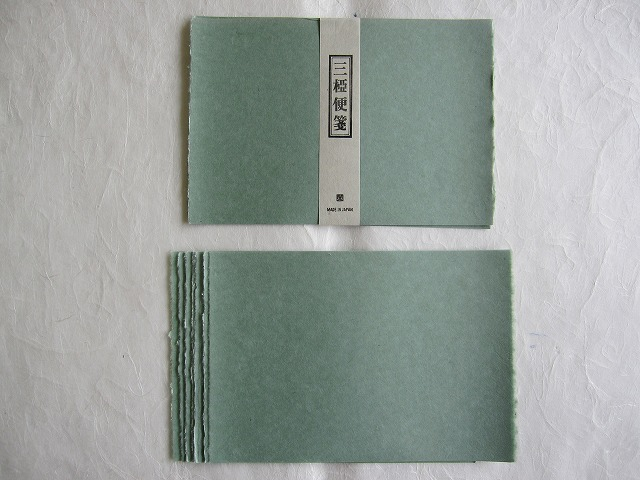
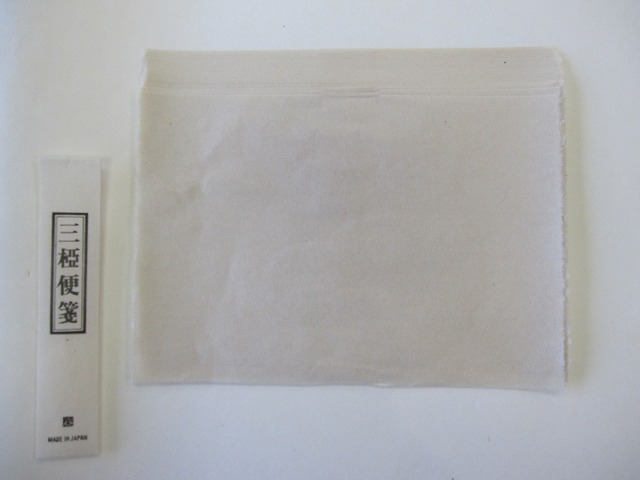
Deckle-Edge Mitsumata Writing Paper Set
Paper made from mitsumata (paper bush) is known for being supple yet strong. The irregular natural edge — called the “mimi” (ear) — left along the border of each sheet tells the story of its hand-laid origins. When used for a teacher thank-you letter, that warmth is added directly to every word you write.
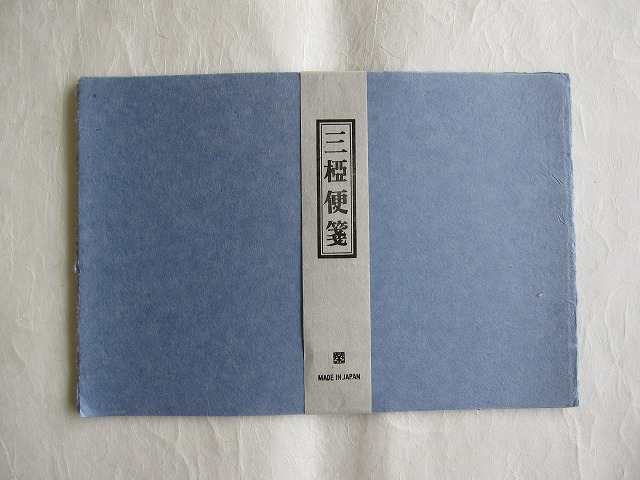
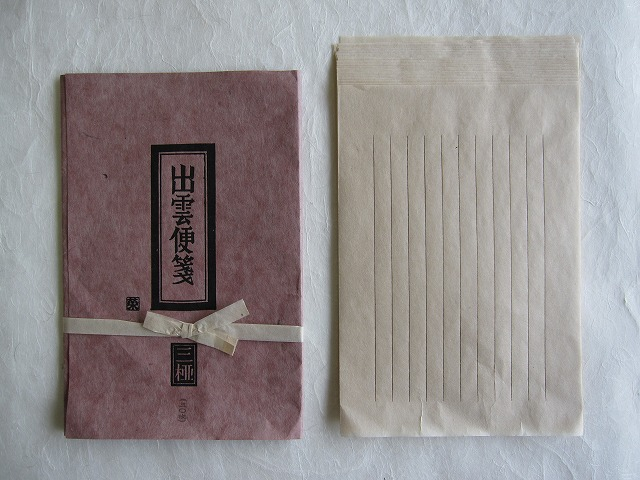
Izumo Hand-Laid Washi Letter Set
A letter set using washi laid by hand, sheet by sheet, by artisans in Izumo. The set includes matching envelopes, making it ready to use as-is for a teacher thank-you letter. The balance of thinness and strength is exceptional, and handwritten characters look strikingly beautiful against it.
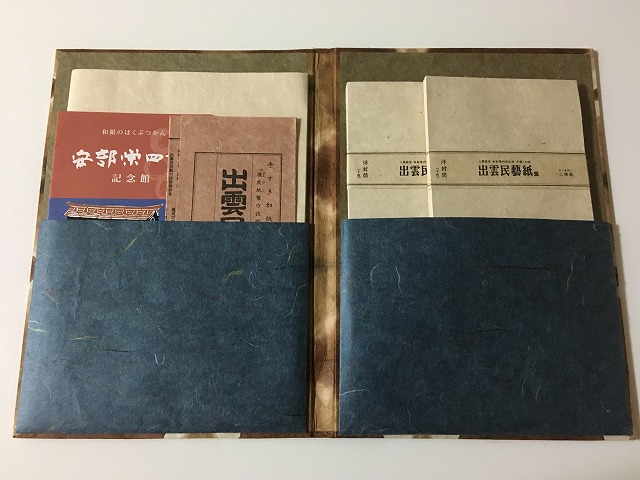
Colorful Washi Writing Paper (Natural, Green, Brown)
These washi writing papers in a range of gentle colors are a wonderful choice for a letter at a seasonal turning point — graduation season, autumn milestones, and beyond. The understated tones complement rather than compete with the content of your message.
Browse the full lineup at the Washikobo online shop. The collection is organized to make it easy to filter by purpose, design, and price — ideal even for first-time shoppers.
Don’t Forget to Brush Up on Thank-You Letter Etiquette Too
Once you’ve chosen your paper, the next step is the content and etiquette of the letter itself. No matter how beautiful the paper, a message that comes across as impolite defeats the purpose. Here are the essentials to keep in mind.
Use the Correct Opening and Closing Salutation Pair
Formal Japanese letters begin with an opening salutation (頭語, tōgo) and close with a corresponding closing salutation (結語, ketsugo). The most common pairs are as follows.
| Occasion | Opening Salutation | Closing Salutation |
|---|---|---|
| General thank-you letter | 拝啓 (Haikei) | 敬具 (Keigu) |
| More formal occasions | 謹啓 (Kinkei) | 謹白 (Kinpaku) |
| Urgent thank-you letter | 急啓 (Kyūkei) | 草々 (Sōsō) |
For most teacher thank-you letters, 拝啓 / 敬具 (Haikei / Keigu) is the most common choice. For more formal occasions — such as writing to a supervising teacher from a teaching practicum — 謹啓 / 謹白 (Kinkei / Kinpaku) conveys an even higher level of respect.
Include a Seasonal Greeting Appropriate to the Time of Year
After the opening salutation, follow with a seasonal greeting. Learning just one phrase per season can significantly sharpen the overall impression of your letter.
- Spring (March–April): “春暖の候” / “桜花の候” / “陽春の候” (Season of spring warmth / Season of cherry blossoms / Season of bright spring)
- Summer (June–August): “盛夏の候” / “炎暑の候” / “夏暑の候” (Height of summer / Blazing heat / Summer warmth)
- Autumn (September–November): “秋涼の候” / “紅葉の候” / “秋冷の候” (Cool autumn air / Season of autumn leaves / Autumn chill)
- Winter (December–February): “師走の候” / “厳寒の候” / “初春の候” (Busy December / Severe winter cold / Early spring)
The Basic Structure of a Thank-You Letter
The following structure will help you write a well-organized teacher thank-you letter.
- ① Opening salutation (e.g., 拝啓) + seasonal greeting
- ② Gratitude toward the teacher, with a specific memory or episode
- ③ Wishes for the teacher’s continued health and success
- ④ Closing salutation (e.g., 敬具)
- ⑤ Date and signature
The key is to include one specific memory or episode. Something like, “The words you said to me when [specific moment] happened have stayed with me ever since” — this kind of detail lifts a letter out of the realm of generic and makes it genuinely heartfelt.
In Closing: Choosing Your Paper Is the First Step in Expressing Gratitude
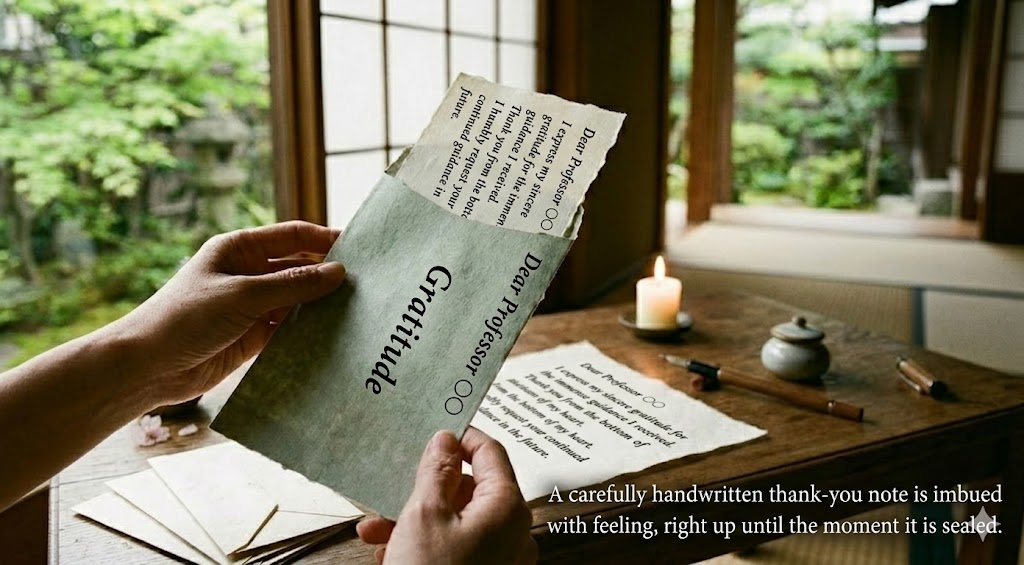
A teacher thank-you letter is a gift — not just in its words, but in the paper it’s written on. There’s nothing wrong with ordinary writing paper, but choosing paper that fits the formality of the occasion transforms how the teacher receives your message and how much your gratitude seems to weigh.
To recap the key points for choosing writing paper:
- Choose fine paper or washi for the material
- Keep the design calm — white or off-white is the standard
- Vertically lined paper adds a level of formality
- Washi makes handwriting look beautiful and conveys a sense of something special
- Adjust your choice slightly depending on the type of teacher and nature of your relationship
Taking a moment before you start writing — pausing to think, “What paper should I use for this?” — is itself an expression of respect for your teacher.
If you’re looking for washi writing paper or letter sets made from Izumo washi, please visit the Washikobo online shop. We carry a selection of writing paper, envelopes, and letter sets made from Izumo washi — each sheet laid by hand by skilled artisans.



Comments